
Scam Information & Prevention Resource
Scam Information & Prevention Resource
Protecting our community is a top priority. In 2026, scammers are using increasingly sophisticated technology—including AI and "spoofed" phone numbers—to target Kansans. Use this guide to stay informed and protect your finances.
Common Red Flags
Regardless of the story, almost every scam shares these three warning signs:
- Extreme Urgency: They will pressure you to act now before you have time to think or talk to anyone.
- Requests for Secrecy: They will tell you not to hang up or tell your family/bank because it is a "legal matter."
- Untraceable Payment Methods: They will demand payment via Bitcoin, Wire Transfer, Gift Cards (Apple/Vanilla), or Cash App/Zelle. These are the same as sending cash—once it’s gone, it’s gone.
Prevention Checklist
- Pause and Verify: If you receive an unexpected call or text, stop. Call the official agency (like the Kansas Judicial Branch or the Smith County Sheriff) using a number you find on an official website—not the number that contacted you.
- Don't Click: Never click links in texts regarding "unpaid tolls" or "package deliveries." Go directly to the official website of the service mentioned.
- Don’t Reply: If you receive a suspicious text message, do not respond. Replying (even to say "stop") lets the scammer know your number is active, which often results in more spam.
- Protect Your Info: Never give out your Social Security number, bank account details, or verification codes to someone who contacted you.
Top Scams to Watch out for
- Fake Court & Toll Subpoenas: Residents have reported receiving text messages appearing to be from the Kansas Supreme Court or the Kansas Turnpike Authority (KTA). These messages claim you have unpaid tolls or a missed subpoena and provide a link to "pay a fine." Note: Legitimate courts do not serve documents or demand payment via text.
- AI "Voice Cloning" Calls: Scammers can now use AI to mimic the voice of a loved one. They may call claiming to be a grandchild or relative in an emergency (like an accident or arrest) and demand immediate payment. Always hang up and call your relative back on their known number to verify the situation.
- The "Inmate Bond" Scam: A recent trend involves callers posing as local law enforcement or jail staff. They claim a relative is in custody and requires "ankle monitor fees" or "bond" paid via a Bitcoin ATM, digital apps like Venmo, or gift card purchases. Law enforcement will never ask for payment via cryptocurrency or gift cards.
- Jury Duty Scams: You may receive a call or text message stating you missed jury duty and a warrant has been issued for your arrest. They will offer to "clear the warrant" if you pay a fee over the phone. This is always a scam.
- Utility "Overpayment" or Disconnection Scams: Scammers are targeting Evergy customers with text messages claiming they have overpaid their bill and are due for a refund. The link leads to a fake site designed to steal bank details. Alternatively, they may call and threaten to shut off your power within the hour unless you pay immediately via a digital app. Note: Utility companies will never threaten immediate disconnection via text or demand payment via gift cards or Bitcoin.
- Social Security "Statement" & COLA Scams: A major trend in 2026 involves fraudulent emails or texts claiming you need to "verify your Social Security statement" or "activate your Cost-of-Living Adjustment (COLA)." These often include official-looking logos and warnings that your benefits will be suspended if you don't click the link. The Social Security Administration will never text or email you to request personal information or payments to "activate" a raise.
- Package Delivery "Smishing": You may receive a text message from what appears to be USPS, UPS, or FedEx stating that a package is "on hold" or has an "incomplete address." They will ask you to click a link and pay a small "redelivery fee" (often 99 cents). This is a trick to capture your credit card information for much larger unauthorized charges later.
- ATM "Shimmers" and Card Skimming: Criminals are using more sophisticated, paper-thin devices called "shimmers" inside ATM card slots and gas pump card readers. These can read the information from the chip on your card, not just the magnetic stripe. Tip: When possible, use the "tap-to-pay" feature or a digital wallet (like Apple Pay or Google Pay) at the pump or checkout, as these are much more secure against physical skimming devices.
How to Report a Scam in Kansas
If you or a loved one has been targeted, please report it immediately. Your report helps authorities track and stop these criminals.
Pro Tip: If you have accidentally sent money or shared bank details, contact your bank’s fraud department immediately. The faster you act, the better the chance of stopping the transaction.
More Information & Reporting Resources
Kansas State Resources
- Kansas Attorney General - Consumer Protection: The primary office for investigating scams, telemarketing fraud, and identity theft in Kansas.
- Kansas Protection Report Center: The state portal for reporting financial exploitation of seniors or dependent adults.
- Kansas Department of Transportation Scam Alerts: Official updates on KTA and road-related text scams.
- Evergy Scam Alerts: Specific information regarding utility fraud targeting Kansas and Missouri residents.
- Social Security Administration (SSA) Office of the Inspector General: The best place to report and learn about government imposter scams.
National & Federal Resources
- FTC IdentityTheft.gov: The federal government's one-stop resource to help you report and recover from identity theft.
- FBI Internet Crime Complaint Center (IC3): Use this portal to report any scam that occurred online, including phishing or fraudulent websites.
- Social Security Administration (SSA) Scam Alert: Guidance on recognizing scammers pretending to be from the Social Security Office.
- AARP Fraud Watch Network: Features a "Scam-Tracking Map" to see what is being reported in our region in real-time.
Road and Bridge
In rural Kansas, a County Road and Bridge Department serves as the backbone of local infrastructure, ensuring that the vast network of secondary roads and drainage systems remains safe and functional for agricultural transport, emergency services, and daily commuting.
1. Road Maintenance and Construction
In rural areas, this department manages hundreds of miles of rock, gravel and dirt roads.
-
Grading and Blading: Regularly leveling gravel roads to maintain a smooth driving surface and proper drainage.
-
Surfacing: Applying rock or fresh gravel to prevent erosion and improve durability.
-
Dust Control: Managing programs (often cost-shared with residents) to apply magnesium chloride or other suppressants near homes and high-traffic rural intersections.
2. Bridge and Culvert Management
Kansas counties are responsible for an immense number of "off-system" bridges and large culverts that cross creeks and drainage ditches.
-
Inspections: Conducting routine structural assessments to meet state and federal safety standards.
-
Repair/Replacement: Upgrading aging timber or steel bridges with modern concrete structures or large-diameter pipe culverts to support heavy agricultural equipment and semi-trucks.
3. Public Safety and Emergency Response
-
Snow and Ice Removal: Clearing primary routes and "mail routes" during winter storms to ensure residents aren't stranded.
-
Signage: Installing and maintaining 911 emergency address signs, stop signs, and hazard warnings not managed by Kansas Department of Transportation.
-
Right-of-Way (ROW) Clearing: Mowing ditches for visibility and trimming low-hanging trees that might obstruct large farm machinery or emergency vehicles.
Announcements
Announcements
Metal Detecting
Metal Detecting is not allowed on any County property.
Smith County Property Owners:
KSA 79-1476 requires that each property in the county be inspected at least once every 6 years. At the property, the county staff will take photographs of the house and outbuildings. The county staff will also confirm the current buildings and property characteristics. The vehicle we will be driving is a gray Chevrolet Colorado pick-up with the Appraiser’s Office decals in the windows.
Our inspection period is expected to begin in May and run through October. The Smith County website will be updated to include the general area where the staff will be working. ***
We will be inspecting parcels in the following locations:
Sections 13 through 24 in Oak, Blaine, Lane & Cedar Townships
Sections 13, 14, 17, 18, 19, 20, 23 & 24 in Center Township
Sections 13 through 36 in Valley, Harvey, Banner, Crystal Plains & Webster Townships
That portion of Smith Center north of Kansas Ave to Highway 36 & west of Main St.
*** Week of ________: staff will be inspecting _______ ***
Burn Ban
Smith County Commissioners has released the burn ban for Smith County, but contact your local fire chief to inform them of your control burn.
COVID-19 Infomation
Latest Information on COVID-19 please check our Official Facebook Page
Public Voter Notice
Kansas Voter Registration Applicants DO NOT need to provide proof of citizenship. Please continue to bring a valid government issued ID to the polls with you when you vote in person.
If you have questions concerning your eligibility or this notice you may contact your local county election office at 785-282-5110 or the Secretary of State's office at (800) 262-8683.
Election Notices
Election Notices
2023 City/School Notice of Ballot Audit
2024 Presidential Preference Primary
2024 General Election-Notice of Places and Dates
2024 General Election-Notice of Canvass
2025 Public Notice-Post Election Audit
2026 Public Notice-Primary Election-Post Election Audit
2026 Notice of Primary Election
Smith County Courthouse
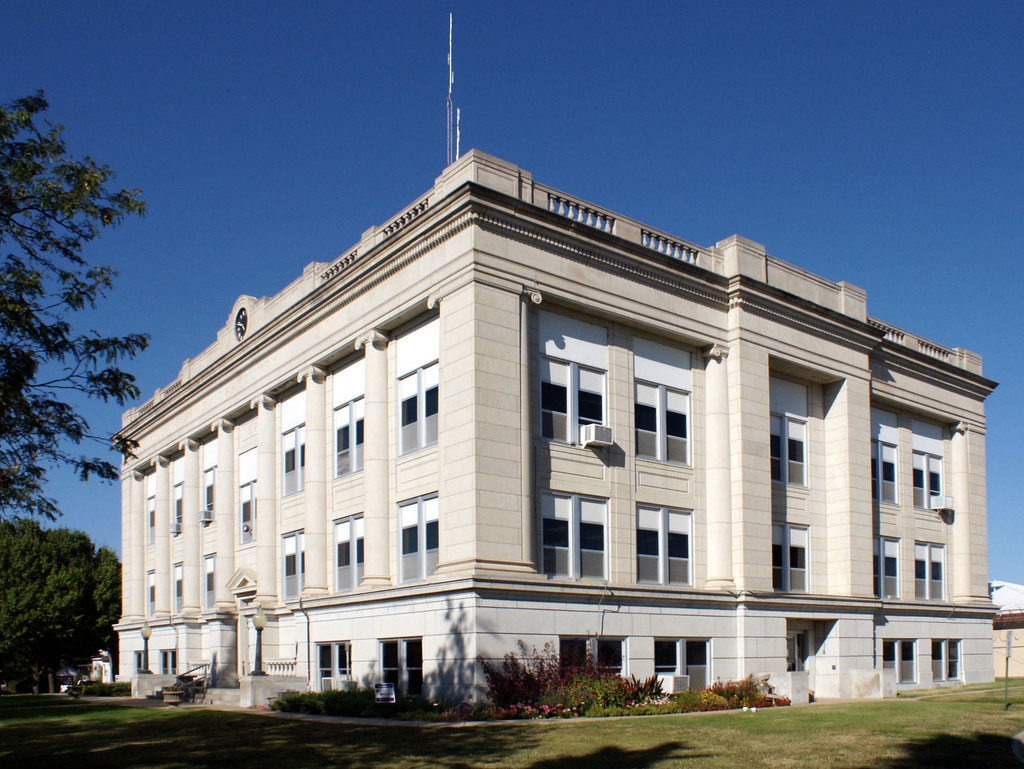
218 South Grant St.
Smith Center, KS 66967